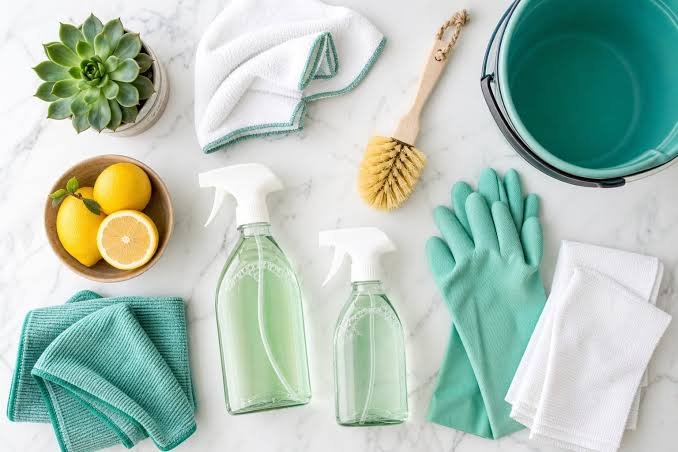
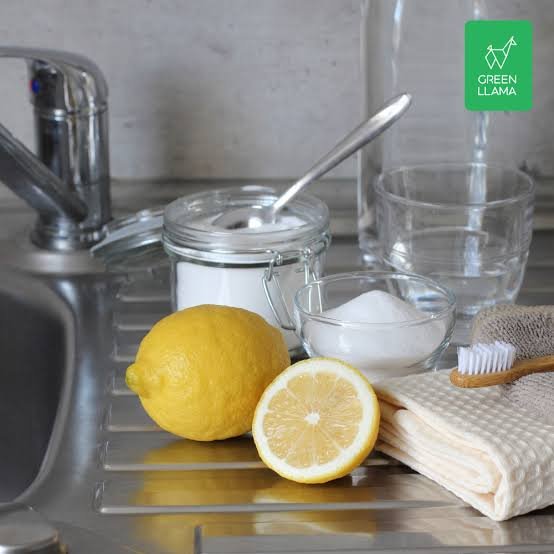
Ran out of your regular cleaning spray and don’t feel like making a store run? You’re probably sitting on better options already — in your kitchen cabinet. That’s the whole idea behind natural cleaning hacks: using stuff like vinegar, baking soda, and lemon instead of bottles full of chemicals you can’t pronounce.
I switched to mostly natural cleaning about three years ago, partly because of a toddler crawling around the house, partly because I got tired of the harsh smell of bathroom cleaners. It’s not that store-bought products don’t work. They do. But a lot of natural cleaning hacks work just as well, cost a fraction of the price, and don’t leave your house smelling like a hospital.
Here are 15 that I actually use, not just ones that sound good in theory.
Why Natural Cleaning Hacks Are Worth Trying in 2026
Natural cleaning hacks are worth trying because they cut chemical exposure at home, cost significantly less than branded cleaners, and use ingredients most Indian kitchens already stock. A bottle of vinegar costs under ₹100 and replaces at least four separate cleaning products.
There’s also the smell factor. A lot of commercial cleaners are so strong they trigger headaches — I’ve noticed this especially in closed bathrooms with poor ventilation. Vinegar has its own smell too, sure, but it fades within minutes. Ammonia-based sprays linger for hours.
Rising awareness around indoor air quality is pushing more people toward this anyway. It’s not some new trend — our grandmothers were doing this decades before “eco-friendly” became a marketing word.
Vinegar-Based Cleaning Hacks
White vinegar is probably the single most useful natural cleaner there is. It’s acidic enough to cut through grease, dissolve soap scum, and kill a good chunk of household bacteria.
- Mix equal parts vinegar and water in a spray bottle for glass and mirrors
- Pour a cup of vinegar into a smelly washing machine and run an empty hot cycle
- Soak your showerhead in vinegar overnight to clear mineral deposits
- Use undiluted vinegar on tile grout, left for 15 minutes before scrubbing
One thing to know: never mix vinegar with bleach. It releases chlorine gas, and that’s genuinely dangerous, not just an old wives’ tale.
Baking Soda Hacks for Scrubbing and Odours
Baking soda is mildly abrasive, which makes it perfect for anything that needs scrubbing without scratching the surface.
Try this: sprinkle it on a greasy stovetop, add a few drops of water to make a paste, and let it sit for 10 minutes before wiping. Works better than most stovetop-specific cleaners I’ve tried, honestly.
Other uses:
- Deodorize the fridge by keeping an open box inside (replace every 2-3 months)
- Sprinkle on carpets before vacuuming to lift odours
- Scrub bathroom tiles and grout lines
- Clean burnt pots by soaking with baking soda and hot water overnight
Lemon-Based Natural Cleaning Hacks
Lemon works as a natural cleaning hack because its citric acid breaks down grease, hard water stains, and mineral buildup, while also leaving a genuinely pleasant smell behind — something vinegar can’t do on its own.
Picture a small business owner in Jaipur running a home tiffin service, where kitchen smell matters as much as hygiene for customer trust. A lemon-vinegar combo handles both the cleaning and the smell problem at once.
- Rub half a lemon on a cutting board to remove stains and smells
- Use lemon peels in the microwave with water, steam for 3 minutes, then wipe clean
- Mix lemon juice with salt as a scrub for copper and brass utensils — this one genuinely shines old lota and diyas better than most metal polishes
Salt as a Natural Abrasive Cleaner
Salt doesn’t get enough credit. It’s cheap, always available, and works as a mild abrasive for jobs where baking soda feels too soft.
Cast iron pans, for instance — salt plus a little oil scrubs off stuck food without stripping the seasoning. Wine or turmeric stains on fabric? Salt sprinkled immediately can absorb the stain before it sets, especially useful during festival season when spills are basically guaranteed.
Essential Oils for Fragrance and Extra Cleaning Power
Plain vinegar and baking soda clean fine, but they don’t smell great. Adding a few drops of essential oil — tea tree, lavender, or lemongrass — fixes that and adds a mild antibacterial boost.
Tea tree oil in particular has some antimicrobial properties backed by actual research, not just marketing claims. Ten drops in a spray bottle with water and vinegar makes a decent all-purpose cleaner.
Newspaper and Cornstarch: The Overlooked Hacks
Not every hack involves a liquid. Old newspaper, slightly damp, is still one of the best things for streak-free glass cleaning — better than most microfiber cloths, in my experience, because it doesn’t leave lint.
Cornstarch, meanwhile, works well on carpet stains and can even polish silverware when mixed into a paste with water.
[link to related guide on the deep cleaning checklist here]
Common Mistakes People Make With Natural Cleaning
A lot of people assume “natural” means “mix anything together.” That’s not how it works — some combinations are useless, some are actually harmful.
- Don’t mix vinegar and baking soda expecting a stronger cleaner — they neutralize each other, fizz is just a chemical reaction, not extra cleaning power
- Never combine vinegar with bleach
- Test essential oil blends on a small fabric patch first, some oils can stain light-colored surfaces
[link to budget cleaning supplies guide here]
FAQ
Are natural cleaning hacks as effective as chemical cleaners? For most everyday jobs — grease, grime, mild stains — yes. For heavy-duty disinfecting, like after an illness in the house, a proper disinfectant still does a better job.
Is vinegar safe on all surfaces? No. Avoid using it on natural stone like marble or granite — the acid can etch and dull the surface over time.
Can I use these hacks around pets and kids? Generally yes, that’s actually one of the biggest reasons people switch. Just keep essential oils away from cats specifically, since some oils are toxic to them.
How long do homemade cleaning mixes last? Vinegar-water sprays last a few months. Anything with fresh lemon juice should be used within a week, since it can grow mold without preservatives.
Do natural cleaning hacks actually save money? Yes, quite a bit. A single bottle of vinegar and a box of baking soda can replace glass cleaner, bathroom cleaner, and odour spray — easily saving ₹500-800 a month for an average household.
What’s the best all-purpose natural cleaner to start with? Vinegar and water, hands down. It’s cheap, handles most surfaces, and gives you a feel for how natural cleaning works before you start experimenting further.
Final Thoughts
You don’t need to overhaul your entire cleaning routine overnight. Start with one or two natural cleaning hacks — maybe the vinegar spray for glass, or baking soda for your stovetop — and see how they fit into your week.
Once you notice the savings and the lighter smell around the house, the rest tends to follow naturally. Keep a small shelf with vinegar, baking soda, and a lemon or two, and you’ll rarely need to reach for a bottle of anything else.