It’s 11 pm, you’re brushing your teeth, and the sink just won’t drain. Sound familiar? Common plumbing problems like this one have a way of showing up at the worst possible time — never during business hours, always on a Sunday night or right before guests arrive.
The good news is most of these issues aren’t as scary as they seem. A lot of them you can sort out yourself with a wrench, a bit of patience, and maybe a YouTube video pulled up on your phone. Others genuinely need a professional. Knowing the difference saves you money and, honestly, a fair bit of stress. Let’s get into it.
Why Common Plumbing Problems Keep Coming Back
Common plumbing problems rarely happen out of nowhere. They build up slowly — mineral deposits, old washers, tree roots creeping toward pipes — until one day something gives.
Most homes, especially older ones in cities like Jaipur or Delhi with hard water, deal with this more than newer construction. Hard water leaves mineral scale inside pipes and fixtures over time, which narrows the flow and stresses joints. That’s part of why the same issue tends to resurface every few months if nobody addresses the root cause.
The Hard Water Factor
If your area has hard water — and a huge chunk of Rajasthan does — you’ll notice white, chalky buildup around taps and showerheads faster than people in softer-water regions. Ignore it long enough and it eats into pipe diameter, which is when pressure problems start.
Leaky Faucets: The Drip That Won’t Quit
A leaky faucet is usually caused by a worn-out washer or O-ring inside the tap. Replace it with a matching size, tighten the assembly back, and the drip almost always stops. Total cost: under ₹100 in most cases.
I’ve fixed more leaky taps than I can count, and nine times out of ten, it’s the rubber washer. It hardens over years of use, stops sealing properly, and water starts seeping through.
Here’s the basic process:
- Turn off the water supply valve under the sink
- Remove the tap handle (usually one screw, sometimes hidden under a decorative cap)
- Pull out the old washer and take it to a hardware store for an exact match
- Pop the new one in, reassemble, and turn the water back on
If the drip continues after a washer swap, the valve seat itself might be corroded — and at that point it’s worth calling a plumber rather than guessing further.
Clogged Drains and How to Actually Clear Them
Clogs are probably the most common call-out reason for plumbers everywhere, and for good reason — hair, soap scum, food bits, they all pile up in the same spot over and over.
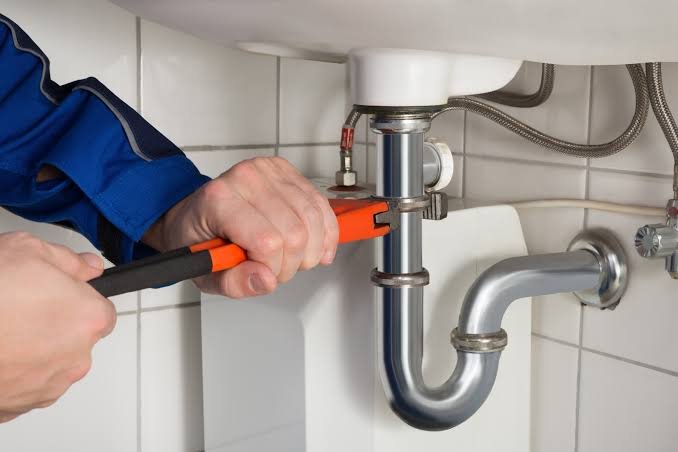
Skip the chemical drain cleaners if you can. They’re harsh on old pipes and honestly not that effective on stubborn clogs anyway. A plunger works for most sink and toilet blockages. For tougher ones, a plumbing snake (you can buy a basic one for around ₹300-500) reaches further down and physically pulls out the gunk.
Picture a small business owner in Jaipur running a little café — their kitchen sink backs up every other week because of oil going down the drain. A drain strainer costing maybe ₹150 would’ve prevented most of that. Small fix, big difference.
DIY Drain Clearing Steps
- Try a plunger first — it solves more clogs than people expect
- Pour boiling water down slowly if it’s a grease-related clog
- Use a plumbing snake for anything deeper than the trap
- Baking soda and vinegar can help with mild buildup, though it’s not magic
Running Toilets That Waste Water (and Money)
A running toilet usually points to a faulty flapper valve or a fill valve that isn’t sealing properly. Replacing the flapper — a ₹150-300 part — fixes the issue in most homes within minutes.
This one bugs me because people ignore it for months, not realizing a running toilet can waste hundreds of litres a day. That adds up on your water bill fast, especially with municipal water rates climbing in a lot of cities lately.
Lift the tank lid and watch what happens after a flush. If water keeps trickling into the bowl, the flapper isn’t sealing. If the water level rises too high and spills into the overflow tube, adjust the float or replace the fill valve.
Low Water Pressure Issues
Low pressure is annoying but usually traceable. Common culprits include:
- Mineral buildup clogging the showerhead or aerator (unscrew and soak in vinegar overnight — works surprisingly well)
- A partially closed shut-off valve somewhere in the line
- Corroded galvanized pipes, common in older buildings
- A leak elsewhere in the system pulling pressure away
If cleaning the showerhead doesn’t help, it’s worth checking whether the drop is isolated to one fixture or affecting the whole house. That tells you a lot about where the actual problem sits.
Water Heater Troubles
Water heaters typically fail due to sediment buildup at the tank’s base, a faulty thermostat, or a worn heating element. Flushing the tank annually prevents most sediment-related issues before they start.
If your geyser is making a rumbling or popping sound, that’s sediment settling and boiling underneath — not a great sign long-term. Draining a bit of water from the tank’s base valve every few months clears a lot of this out before it becomes a bigger repair.
No hot water at all, though? That’s usually the heating element or thermostat, and unless you’re comfortable working around electrical connections, this is genuinely one to leave to a professional.
[link to related guide about choosing a water heater here]
Pipe Leaks and Burst Pipes
Small leaks start quiet — a damp patch under the sink, a faint mustiness in the wall. Ignore them and they don’t stay small.
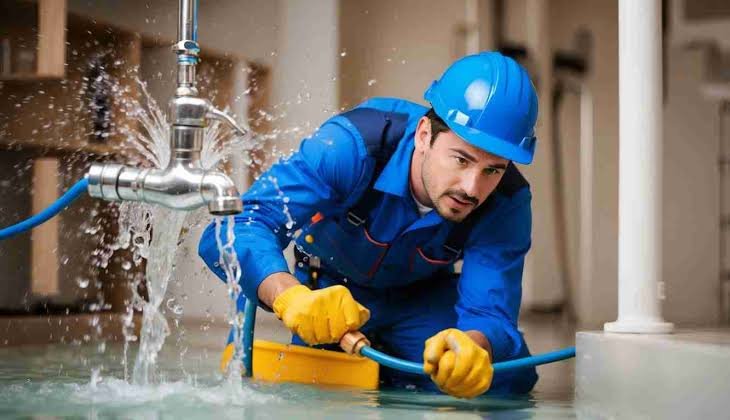
For a minor leak, a rubber pipe repair clamp (roughly ₹200-400) buys you time until a plumber can look at it properly. For anything involving a burst pipe or a leak inside a wall, turn off the main water supply immediately and call a professional. Water damage spreads fast, and what starts as a ₹500 fix can turn into a repainting-and-replastering job if left alone.
[link to related guide about emergency plumbing here]
Sewer Line Problems
Slow drains across the entire house, gurgling toilets, or a bad smell near the yard — these point toward the sewer line, not just one fixture.
Tree roots are a frequent cause, especially in older neighborhoods with mature trees near the property line. This is not really a DIY situation. Sewer line issues need a camera inspection and specialized equipment, so calling in a professional here isn’t optional, it’s just practical.
When to Call a Professional vs. DIY
Honestly? If it involves the main water line, gas connections, or anything behind a wall, call someone. I’ve seen people turn a ₹500 problem into a ₹15,000 one by attempting a fix without the right tools. There’s no shame in it — plumbing looks simpler than it is until you’re elbow-deep in pipe fittings at midnight.
[link to related guide about hiring a reliable plumber here]
FAQ: Common Plumbing Problems
Why does my sink keep clogging even after I clear it? Usually because the root cause — grease, hair, soap residue — is still building up further down the pipe. A one-time clearing helps, but a drain strainer stops it from happening again.
Is it safe to use chemical drain cleaners regularly? Not really. They can corrode older pipes over time, and honestly, they don’t work as well on tough clogs as people assume. A snake or plunger is usually gentler and more effective.
How do I know if a leak is coming from a pipe or a fixture? Check for moisture right at the connection points first. If the area around the fixture is dry but there’s dampness further along the wall or floor, it’s likely the pipe itself, not the tap or fitting.
Can hard water actually damage my plumbing? Yes, over years it builds mineral scale inside pipes and fixtures, narrowing the flow and stressing joints and washers. It’s part of why the same fixtures need repair more often in hard water areas.
How often should I flush my water heater? Once a year is a reasonable rule of thumb, more often if you’re in a hard water zone. It clears sediment before it causes rumbling, reduced efficiency, or heating element wear.
What’s the first thing I should do during a burst pipe emergency? Shut off the main water valve immediately, then call a plumber. Don’t wait to see if it “settles down” — it won’t.
Wrapping It Up
Most common plumbing problems — leaky taps, clogged drains, running toilets — are manageable with a bit of DIY effort and the right ₹100-500 part from a hardware store. The trickier ones, like sewer line issues or burst pipes, need a professional, and that’s fine too.
The real trick is not ignoring the small stuff. That faint drip or slow drain is rarely random — it’s usually the first sign of something building up. Catch it early, and you’ll save yourself a far bigger headache (and bill) down the road. Next time you hear that tap dripping at midnight, maybe don’t just roll over and go back to sleep.