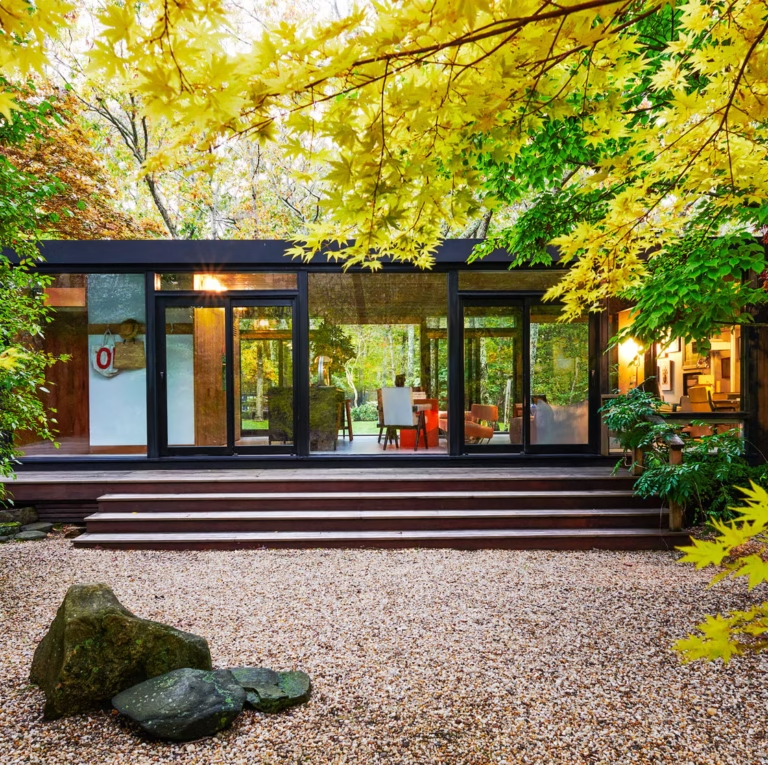
Ever walked into a friend’s house and felt instantly calmer, even though you couldn’t quite say why? Chances are, that home was built around minimalist interior design. Less furniture. More breathing room. Nothing screaming for your attention.
In 2026, with apartments in cities like Bengaluru and Mumbai shrinking every year while rents climb, minimalist interior design isn’t just a style choice anymore — it’s become the practical answer for people who want their homes to feel bigger, calmer, and easier to live in. This guide walks you through real, doable ideas, not just Pinterest fantasies.
What Is Minimalist Interior Design, Really?
Minimalist interior design means keeping only what serves a purpose or brings genuine joy — everything else goes. It favors clean lines, neutral palettes, and open space over ornamentation, prioritizing function and calm over visual noise.
The term gets thrown around loosely these days. Some people think it just means “white walls and no clutter.” That’s part of it, sure. But real minimalism is more about intention. Every object in the room earns its place. If it doesn’t, out it goes.
I’ve noticed a lot of homeowners confuse minimalism with feeling cold or empty. Done right, it’s the opposite — a minimalist room can feel warmer than a cluttered one, simply because your eyes have somewhere to rest.
Start With a Neutral Colour Palette
Minimalist interior design almost always begins with the walls. Whites, warm greys, soft beiges, muted sage — these colours create a calm base that lets furniture and light do the talking.
You don’t need to go stark white if that feels sterile to you. A warm off-white or a pale terracotta (popular in a lot of Jaipur homes, actually) still reads as minimal while adding a bit of soul. The trick is consistency — pick two or three tones max and repeat them across the space.
A few combinations that work well:
- White walls with a walnut wood floor and black accents
- Warm beige walls paired with rattan furniture and brass fixtures
- Soft grey walls with sage green textiles and light oak
[link to related guide on choosing the right paint colours for small homes here]
Declutter Before You Decorate
Direct answer: Decluttering before decorating is the single most effective step in achieving minimalist interior design — it reveals which pieces actually deserve space, and it’s free. Start room by room, not all at once, and donate or sell anything unused in the last year.
I know, everyone says this. But most people skip it and jump straight to buying new furniture, which honestly defeats the purpose. Picture a small business owner in Jaipur who wanted a minimalist home office. She spent nearly ₹40,000 on new shelving before realizing the real issue was three years of old files and unused stationery taking up half the room. A weekend of decluttering did more than the shelves ever could.
Try the one-year rule: if you haven’t touched it in twelve months, it probably doesn’t need to live in your main living space anymore.
Choose Multi-Functional Furniture
Small homes benefit enormously from furniture that pulls double duty. A storage ottoman. A bed with drawers underneath. A dining table that folds down when it’s not in use.
This matters more in Indian homes than a lot of design blogs admit — many of us are working with 600 to 900 square feet, not sprawling Western-style layouts. Minimalist interior design in this context isn’t about buying less furniture for the sake of it; it’s about buying furniture that does more with less.
A few favorites worth considering:
- Nesting coffee tables that tuck away when guests leave
- Wall-mounted study desks that fold flat
- Modular sofas you can rearrange as your space changes
Let Natural Light Lead the Design
Direct answer: Natural light is central to minimalist interior design because it reduces the need for heavy window treatments and artificial fixtures, making rooms feel more open. Use sheer curtains instead of heavy drapes, and keep furniture away from windows wherever possible.
Honestly, this is the one thing I wish more people prioritized before spending on decor. A room flooded with daylight looks minimal even with a few extra pieces in it, while a dim, curtain-heavy room feels cluttered no matter how sparse the furniture is.
If you’re renovating, consider larger windows or glass partitions between rooms. If you’re renting and can’t make structural changes, light-coloured, sheer curtains and strategically placed mirrors go a long way.
Keep Storage Hidden, Not Displayed
Open shelving looks great in magazine photos and terrible in daily life — dust collects, clutter creeps back in, and suddenly you’re “styling” your bookshelf every week just to keep it presentable. Has that ever happened to you?
Closed cabinetry, built-in wardrobes, and under-bed storage keep the visual field clean while still giving you somewhere to put actual stuff. This is one area where I’ll happily disagree with some minimalist purists who insist on having almost nothing behind closed doors either — realistically, most families need storage, and hiding it is smarter than pretending it doesn’t exist.
Limit Your Decor to a Few Meaningful Pieces
Rather than filling every wall and shelf, minimalist interior design asks you to choose two or three pieces that actually mean something — a piece of art, a plant, a family heirloom — and give them room to stand out.
A single large piece of art on an otherwise bare wall has more impact than five small frames crowded together. The same goes for plants: one healthy fiddle-leaf fig in a corner does more for a room than a dozen scattered succulents.
[link to related article on budget-friendly home decor ideas here]
Use Textures to Add Warmth
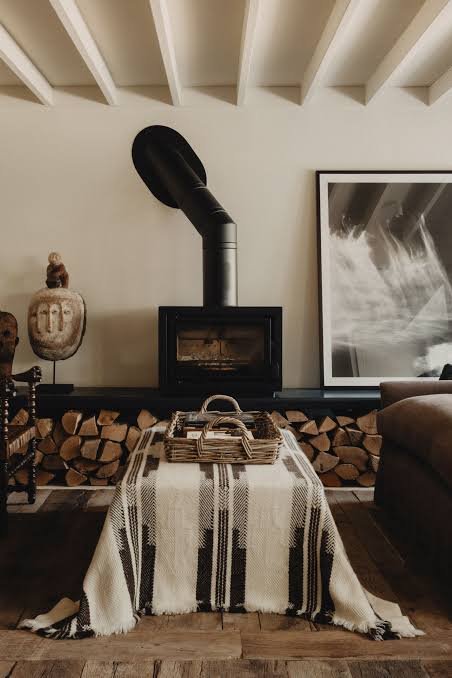
A common mistake is thinking minimalism means avoiding texture. It doesn’t. Linen cushions, a jute rug, a wooden coffee table, matte ceramic vases — these add depth without adding clutter.
Without texture, a minimalist room risks feeling flat or showroom-like. Mixing two or three natural textures per room keeps things visually interesting while staying true to the overall calm, uncluttered feel.
Budget-Friendly Minimalist Tips for Indian Homes
You don’t need a big renovation budget to pull this off. Here’s what actually moves the needle:
- Repaint one accent wall instead of the whole house (₹3,000–₹6,000 typically)
- Swap heavy curtains for lighter, sheer ones
- Sell or donate unused furniture before buying anything new
- Invest in one good-quality sofa rather than three mediocre pieces
- Use vertical storage to free up floor space in small rooms
FAQs About Minimalist Interior Design
Is minimalist interior design expensive? Not necessarily. A lot of the cost actually comes down before it goes up — decluttering, repainting, and rearranging existing furniture cost little to nothing. Where it gets pricier is if you’re replacing everything with designer pieces, which isn’t required.
Does minimalist design work for small apartments? Yes, arguably better than almost any other style. Fewer pieces and open sightlines make small spaces feel noticeably larger.
Can I mix minimalism with Indian traditional decor? Definitely. Many homeowners blend a few heirloom pieces or traditional textiles into an otherwise minimal space — it adds warmth and personality without overwhelming the room.
How many colours should I use in a minimalist home? Two to three is the general rule — one base neutral, one secondary tone, and an occasional accent colour.
Is minimalist design good for families with kids? It can be, honestly better than clutter-heavy homes, since there’s less to trip over and less to clean. The key is building in enough hidden storage for toys and everyday mess.
Do I need to hire a designer for a minimalist home? No, though it helps for larger renovations. Many of the ideas here — decluttering, choosing a neutral palette, adding texture — you can do yourself over a weekend or two.
Final Thoughts
Minimalist interior design isn’t about owning less for the sake of a trend — it’s about making room, literally and mentally, for the things that matter. Start small: declutter one room, repaint one wall, swap out heavy curtains for sheer ones. You don’t need to overhaul your whole home in a weekend.
Pick one idea from this list and try it this week. See how the room feels afterward — that feeling is usually what convinces people to keep going.
Suggested image alt text:
- “Minimalist living room with neutral walls and natural light”
- “Small apartment minimalist interior design with multi-functional furniture”
- “Minimalist bedroom with hidden storage and warm textures”