
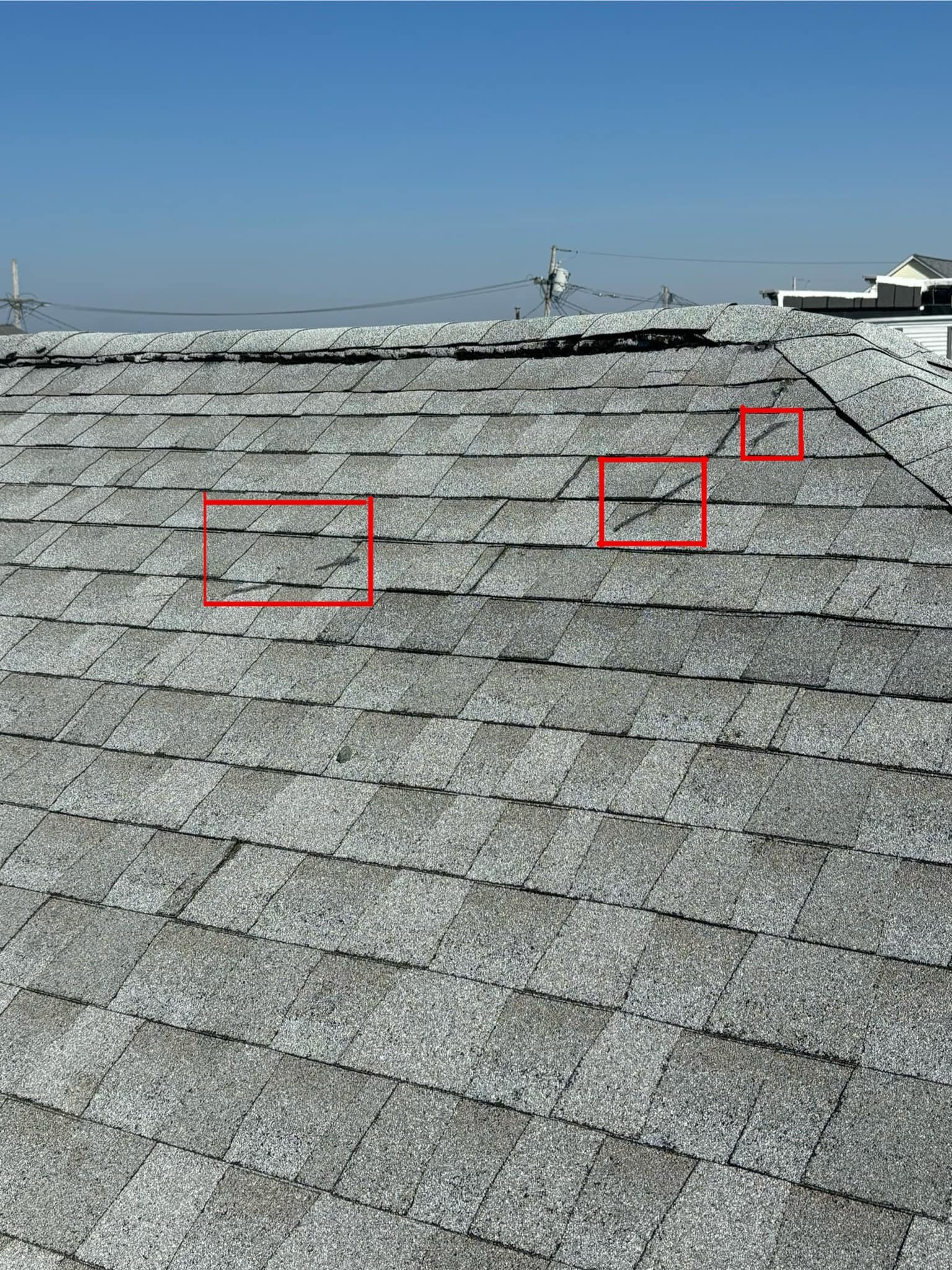
Ever walked into your attic after a heavy monsoon and found a damp patch you swear wasn’t there last year? That’s usually how it starts. Most homeowners don’t wake up one day and decide to replace their roof — they get nudged into it by a leak, a missing shingle, or a contractor who shakes his head during a routine inspection. Knowing the real roof replacement signs ahead of time saves you money, stress, and the occasional ceiling collapse. Let’s get into what to actually look for.
How Old Is Your Roof, Really?
Age is the single biggest predictor of roof trouble. Most asphalt shingle roofs last somewhere between 20 and 25 years, while metal roofs can go 40-50 years if maintained well. If you don’t know when yours was installed, check your home purchase documents or ask the previous owner — it matters more than you’d think.
If your roof is past its expected lifespan and showing wear, replacement is usually cheaper long-term than repeated patch repairs. A 22-year-old roof that needs its third repair this year is telling you something.
I’ve noticed that a lot of people try to squeeze five more years out of an old roof because the upfront cost of replacement feels scary. Sometimes that works out fine. Often it doesn’t, and they end up paying for water damage repairs that cost more than the new roof would have.
Shingles That Are Curling, Cracking, or Missing
This is the most visible of all roof replacement signs, and honestly the easiest one to check yourself with a pair of binoculars from the ground.
- Curling edges (either “cupping” upward or “clawing” downward) mean the shingles have lost their flexibility
- Cracked shingles usually show up after a hailstorm or years of sun exposure
- Bald spots where granules have worn off leave the shingle underlayer exposed
- Missing shingles entirely after a storm — obvious, but people ignore this more than you’d expect
If you’re only seeing a handful of damaged shingles in one section, a repair might do. If it’s spread across the whole roof, you’re looking at replacement territory.
Granules Piling Up in Your Gutters
Picture a small business owner in Jaipur who runs a boutique from the ground floor of her house. She noticed dark, gritty sand-like stuff collecting in the gutter downspout every time it rained. Turned out those were shingle granules — the protective coating washing away with every storm.
A little granule loss is normal in the first year or two. Heavy, ongoing loss means the shingles are breaking down and losing their UV protection. Check your gutters after the next good rain. Handful of grit? Worth a professional look.
Daylight Coming Through the Attic Boards
This one sounds dramatic, and it is. Go up to your attic on a sunny afternoon, turn off the lights, and look up. Any pinpricks of light coming through the roof boards mean there are gaps — and if light’s getting in, so is water and cold air.
Visible daylight through your attic roof boards is one of the clearest roof replacement signs there is — it means the roof deck itself has gaps, not just the shingles. This isn’t a “wait and see” situation.
Sagging Rooflines
Stand across the street from your house and really look at the roofline. Is it straight, or does it dip in the middle like a swaybacked horse? A sagging roof usually points to structural issues — rotted decking, weakened trusses, or water damage that’s been sitting there a while.
This is not a DIY fix. Sagging is a safety issue, not a cosmetic one. If you see it, call a structural engineer or roofer immediately, not next month.
Water Stains and Leaks Inside the House
Brown, ring-shaped stains on your ceiling are basically the roof waving a red flag at you. So is peeling paint near the ceiling line, or a musty smell in upstairs rooms that won’t go away no matter how much you clean.
Has this ever happened to you — a small stain that you painted over, only to have it come back darker a few months later? That’s the leak, not the stain, and paint doesn’t fix leaks.
Your Energy Bills Keep Climbing
Roofs do more than keep rain out — they’re part of your home’s insulation system. Old, damaged, or poorly ventilated roofs let conditioned air escape and outside heat pour in, especially during Rajasthan’s brutal summer months.
If your electricity bills have crept up 15-20% year over year without a clear reason (new appliances, more people at home, etc.), your roof’s insulation performance is worth checking. [link to related guide about attic insulation and energy efficiency here]
Moss, Algae, and Dark Streaks
A little moss on a shaded north-facing slope isn’t the end of the world. But moss holds moisture against the shingle surface, and over time that moisture works its way into cracks and seams. Dark streaks are usually algae — mostly cosmetic, but a sign the roof surface is aging and losing its protective granule coating.
[link to related guide about roof maintenance and cleaning here]
Frequently Asked Questions
How do I know if I need a roof repair or a full replacement? If the damage is isolated to one area and the roof is under 15 years old, repair is usually enough. Widespread damage, an aging roof, or recurring leaks in different spots point toward replacement.
How much does a roof replacement cost in India? Costs vary widely by material and city, but a mid-range asphalt shingle or RCC waterproofing job for an average home can run anywhere from ₹80,000 to ₹3,00,000 or more, depending on roof size and materials used.
Can I just do a partial roof replacement? Sometimes, yes — if the damage is confined to one section and the rest of the roof is structurally sound. A roofer can tell you honestly whether patching one section makes sense or if it’ll look mismatched and age differently.
How long does a roof replacement take? For an average residential roof, most crews finish in 2-5 days, weather permitting. Larger or more complex roofs can take a week or more.
Does insurance cover roof replacement? Often, if the damage is from a covered event like a storm or fire. Routine wear and aging typically aren’t covered, so check your policy specifics before assuming.
What’s the best time of year to replace a roof? Late winter to early summer, before the monsoon hits, is generally ideal — you want the work done and sealed before heavy rains test it.
Final Thoughts
Roofs rarely fail all at once. They send signals for months, sometimes years, before things get serious — curling shingles, granules in the gutter, a stain on the ceiling you keep meaning to look into. Catching these roof replacement signs early is the difference between a planned, budgeted project and an emergency repair during the worst storm of the season.
If you’ve spotted even two or three of these signs, don’t wait for the ceiling to actually give way. Get a roofer out for an honest inspection this month — before the next monsoon makes the decision for you.