Water’s spreading across your kitchen floor at 11 pm and your first instinct is to Google “emergency plumber near me” while frantically grabbing towels. Or maybe it’s just a dripping tap that’s annoying but not exactly a crisis. How do you know which situation is which?
That’s the real question most homeowners struggle with. Not every plumbing issue needs a professional rushing over at midnight, and honestly, calling one for something minor just wastes money. But wait too long on the wrong kind of problem, and you’re looking at water damage, mold, or a much bigger repair bill. This guide breaks down exactly where that line sits.
What Actually Counts as a Plumbing Emergency
A true plumbing emergency involves active water damage, health risks, or safety hazards — burst pipes, sewage backups, gas leaks near water heaters, or a complete loss of water supply. These situations need an emergency plumber immediately, not a next-day appointment.
Not everything that feels urgent actually is one, though. A slow drain at 9 pm can wait until morning. A pipe spraying water across your living room cannot.
I’ve noticed people tend to panic-call for the wrong things and underreact to the right ones. A running toilet at 1 am? Annoying, sure, but it’s not going to flood your house. A pipe joint that’s suddenly gushing water behind your washing machine? That’s a different story entirely.
Signs You Need One Right Now
- Water actively pooling on the floor or dripping through the ceiling
- A strong sewage smell combined with multiple drains backing up at once
- No water at all coming from any tap in the house
- Visible pipe corrosion that’s suddenly given way
- Gas smell anywhere near the geyser or water heater connection
Burst Pipes and Major Leaks
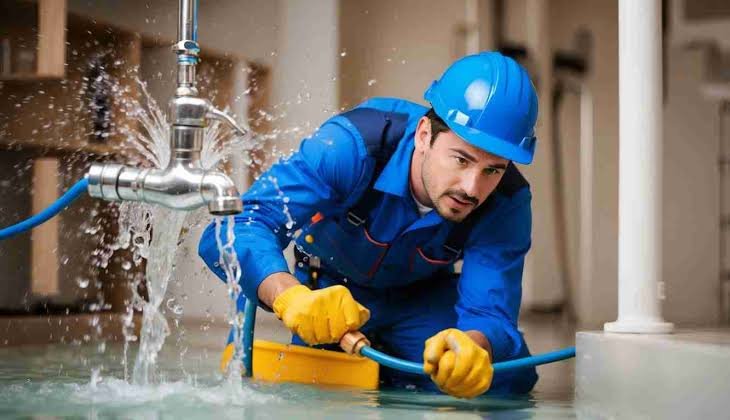
If a pipe bursts, you don’t have time to weigh your options — you act. Shut off the main water valve first, always. Then call an emergency plumber.
Picture a family in Jaipur coming back from a wedding at midnight to find their bathroom pipe had burst hours earlier, water seeping into the bedroom wall next door. Waiting until morning there would’ve meant a repainting job on top of the plumbing repair, easily pushing costs from ₹800 to well over ₹10,000. That’s the kind of gap we’re talking about.
A slow, contained leak under a sink is a different animal. Place a bucket, mop up, and it can usually wait till business hours.
Sewage Backups: Not a DIY Situation
Sewage backing up into sinks, tubs, or toilets is both an emergency plumber call and a health hazard. It often signals a main line blockage that needs professional equipment to clear, not household tools.
This one genuinely isn’t optional. Raw sewage carries bacteria that can make people sick, and trying to plunge your way through a main line clog rarely works anyway — you need a motorized drain snake or hydro-jetting equipment most homes just don’t have.
If multiple fixtures back up simultaneously (toilet gurgles when you run the washing machine, say), that’s your signal the problem is further down the line, not isolated to one pipe.
Water Heater Failures
No hot water is inconvenient. A leaking, hissing, or overheating water heater is dangerous.
Has this happened to you — stepping into a cold shower on a January morning because the geyser just stopped working? Frustrating, yes, but not an emergency. Now, if the tank is leaking near electrical connections, or you hear a rumbling followed by a hissing sound, turn it off at the breaker and call someone immediately. Pressure buildup in a faulty tank isn’t something to wait out.
When DIY Actually Makes Sense
Plenty of plumbing issues are genuinely fine to handle yourself, and honestly, calling an emergency plumber for these is overkill:
- A dripping faucet — usually just a worn washer, fixable for under ₹150
- A clogged sink or shower drain — a plunger or drain snake handles most of these
- A running toilet — often just a flapper valve needing replacement
- Low water pressure from a mineral-clogged showerhead — soak it in vinegar overnight
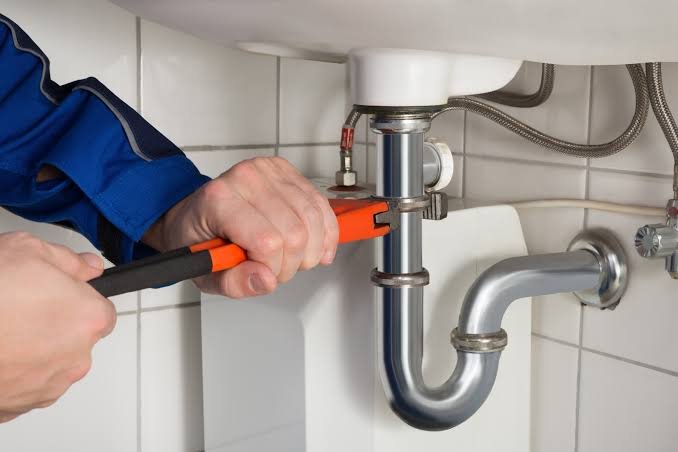
- A slightly loose pipe fitting with minor drips — tighten with a wrench, monitor it
[link to related guide about common plumbing problems here]
None of these need a 2 am callout. They need fifteen minutes and a trip to the hardware store, at most.
How Much Does an Emergency Plumber Cost?
Emergency and after-hours rates typically run higher than standard daytime visits — sometimes 1.5 to 2 times the normal call-out fee, depending on the city and time of night. In many Indian cities, a standard visit might run ₹300-500, while a genuine midnight emergency call can push past ₹1,000-1,500 once you add parts.
That premium is worth paying for an actual emergency. It’s not worth paying for a tap that can wait until 9 am.
[link to related guide about hiring a reliable plumber here]
Questions to Ask Before You Decide
Before dialing anyone at an odd hour, ask yourself a few things:
- Is water actively causing damage right now, or is it contained?
- Is there a health or safety risk (sewage, gas, electrical exposure)?
- Can I shut off the water supply and safely wait until morning?
- Do I have the tools and confidence to attempt a fix myself?
If you answered yes to the first two, stop reading this and make the call. If it’s more the third and fourth, you’ve probably got time.
[link to related guide about DIY plumbing tools every home should have here]
FAQ: Emergency Plumber Questions
How fast should an emergency plumber arrive? Most reputable services aim for 30-60 minutes in urban areas, though it depends heavily on traffic and time of night. Always ask for an estimated arrival time when you call.
Is it cheaper to wait until morning for a plumber? Usually yes, standard daytime rates are lower than emergency call-out fees. But if the issue is actively causing damage, waiting can cost more overall once you factor in repairs.
Can I fix a burst pipe myself temporarily? A rubber repair clamp or even a tightly wrapped rag with tape can slow a leak temporarily, but it’s not a real fix. Shut off the main valve and get a professional in as soon as possible.
What should I do while waiting for an emergency plumber to arrive? Shut off the water supply, move valuables away from the affected area, and if it’s an electrical or gas concern, turn off the relevant breaker or supply line too.
Do all plumbers offer 24-hour emergency service? No, not all of them. It’s worth saving the contact of one or two who explicitly offer after-hours service before you actually need it, rather than searching in a panic.
Is a gas smell near my water heater really an emergency? Yes, absolutely. Leave the house, don’t turn any switches on or off, and call your gas provider’s emergency line along with a plumber.
Wrapping It Up
The honest answer to “emergency plumber or DIY” comes down to two things: is there active damage, and is there a safety risk? If either is true, make the call, don’t second-guess it. If it’s just an annoying drip or a slow drain, you’ve got time to try it yourself first.
Keep a trusted plumber’s number saved in your phone before you actually need it — not during the 1 am panic scroll through Google reviews. That one small habit will save you both money and a whole lot of stress the next time something goes wrong.