So you’re building or re-roofing, and someone just told you to “just go with metal, it lasts forever.” Someone else swears by shingles because that’s what everyone on the street has. The metal roofing vs shingles debate isn’t as simple as either camp makes it sound. Both have real strengths, and the right answer depends more on your climate, your budget, and how long you plan to stay in the house than on which one “wins” in general. Let’s actually break it down.
What’s the Real Difference Between Metal Roofing and Shingles?
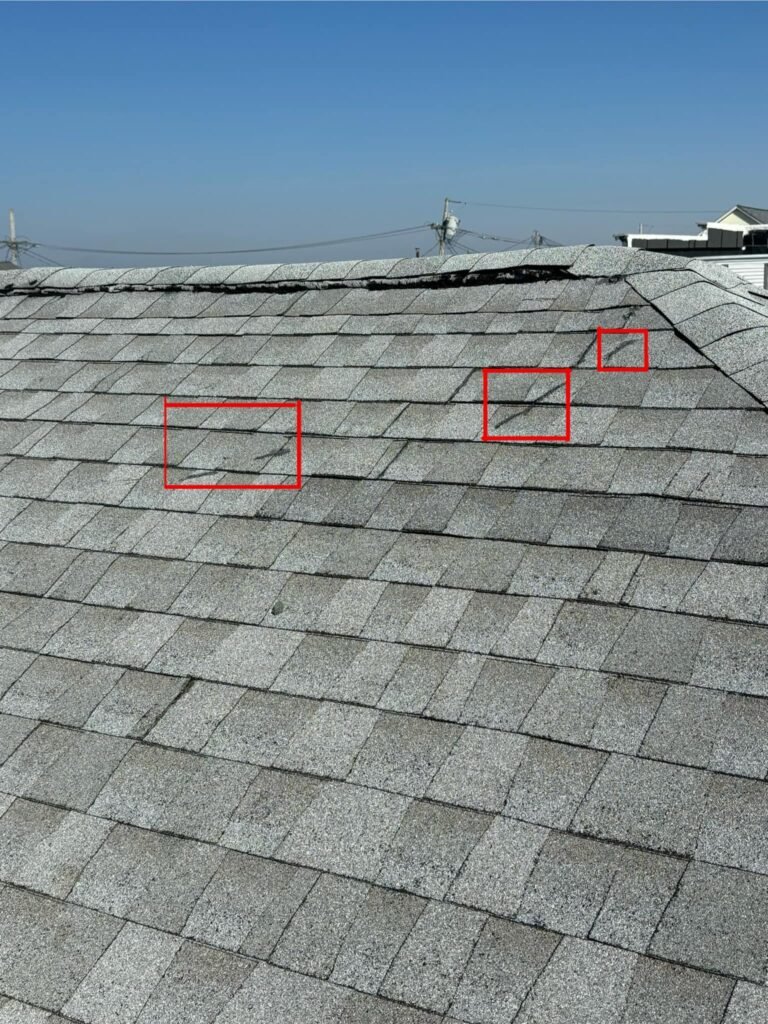
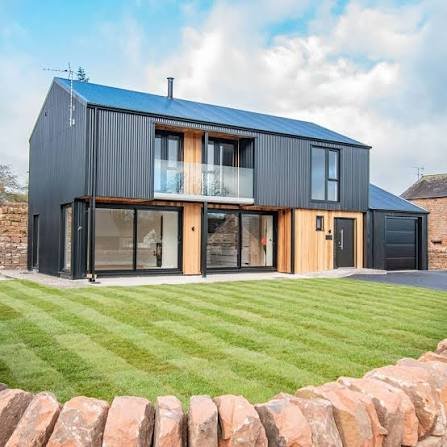
Metal roofing is typically made from galvanized steel, aluminum, or zinc alloy sheets, installed as large panels or interlocking tiles. Shingles — usually asphalt in most markets — are individual overlapping pieces made from a fiberglass mat coated in asphalt and mineral granules.
In the metal roofing vs shingles comparison, the core difference is material and installation method: metal comes in large interlocking panels while shingles are layered individually, which affects cost, lifespan, and repair approach. That one distinction shapes almost everything else in this article.
Clay tiles and concrete are also common in parts of India, but for this comparison we’re sticking to the metal-versus-asphalt-shingle question, since that’s what most people are actually weighing right now.
Lifespan: Which One Actually Lasts Longer?
This is where metal pulls ahead, no argument. A quality metal roof can last 40-70 years depending on the alloy and coating. Asphalt shingles, even the better architectural grades, typically top out around 20-30 years.
I’ve inspected roofs that were pushing 50 years old with barely a dent in the panels — just some fading. Try finding a 40-year-old shingle roof in decent shape. You won’t.
That said, longevity only matters if you’re staying put. If you’re planning to sell in 7-8 years, you might not recoup the lifespan difference in resale value.
Upfront Cost: Metal Is Pricier, But By How Much?
Here’s the number people actually want. Metal roofing generally costs 2 to 3 times more upfront than asphalt shingles. For an average Indian home, shingle-style roofing (less common here but growing) might run ₹150-250 per square foot, while metal roofing sheets with proper insulation and installation can run ₹300-600 per square foot depending on gauge and coating.
- Basic galvanized corrugated sheets: cheapest metal option, but noisier and less refined-looking
- Standing seam metal panels: pricier, sleeker, better water-shedding
- Asphalt shingles: lower upfront cost, wide availability, easier for local contractors to install and repair
Picture a small business owner in Jaipur putting a roof over a new warehouse extension. Corrugated metal sheeting was the obvious call there — cheap, fast to install, and nobody cares about looks on a warehouse roof. A home in a nicer residential colony is a different calculation entirely.
Heat Performance: A Big Deal in Indian Summers
Metal roofs with reflective coatings can lower attic temperatures noticeably compared to standard dark asphalt shingles, which absorb heat. In hot regions like Rajasthan, this translates to real savings on cooling costs over a full summer.
Uncoated or poorly ventilated metal can actually get hotter to the touch than shingles, though — so a bare tin sheet isn’t automatically the better choice. You need proper insulation underneath and ideally a cool-roof coating on top. Without that, metal just radiates heat straight into your living space.
Shingles, ironically, insulate a bit better on their own because of their layered, granular texture. It’s a smaller gap than people assume once insulation is factored in properly.
Noise During Monsoon: The Complaint Nobody Warns You About
Ever sat under a bare metal roof during a heavy downpour? It’s loud. Genuinely loud, like a drumline overhead for hours. This is one of the most common regrets I’ve heard from homeowners who skipped proper underlayment.
With a solid layer of insulation and underlayment (rubberized membrane or foam board), the noise drops dramatically — to the point where it’s barely noticeable. Shingles, by contrast, are naturally quieter in rain because of the layered asphalt mat.
If you go metal, don’t cheap out on the underlayment. This one detail decides whether monsoon season is peaceful or unbearable.
Maintenance and Repairs
When comparing metal roofing vs shingles for maintenance, shingles are generally easier and cheaper to repair locally, since individual pieces can be swapped, while metal repairs often need specialized tools and matching panels.
Shingle repairs are something most local roofing contractors can handle without much fuss — replace a few damaged pieces, reseal, done. Metal repairs, especially on standing seam systems, sometimes need the original installer back, or at least someone who’s worked with that specific panel profile before.
- Shingles: easy DIY-adjacent repairs, widely available materials
- Basic corrugated metal: simple to patch, but visible mismatches over time
- Standing seam metal: durable but repairs need specialized know-how
Environmental Impact and Recyclability
Metal roofing wins here fairly clearly. Steel and aluminum roofing is often made from a significant percentage of recycled material, and at end of life, it’s fully recyclable — nothing goes to a landfill in most cases.
Asphalt shingles, unfortunately, mostly end up in landfills once removed. Some recycling programs exist for asphalt shingle waste, turning it into road paving material, but they’re not widespread in India yet. [link to related guide about eco-friendly roofing materials here]
Which One Should You Actually Choose?
Honestly? If you’re staying in the house long-term and can handle the upfront cost, metal usually pays for itself over decades. If you want a lower initial cost, easier local repairs, and you’re not planning to stay 30+ years, shingles are a perfectly reasonable choice.
There’s no universal winner in the metal roofing vs shingles question — just what fits your timeline and wallet. [link to related guide about roof replacement signs here]
Frequently Asked Questions
Is metal roofing worth the extra cost compared to shingles? If you’re staying in the home for 15+ years, yes, generally. The longer lifespan and lower maintenance costs offset the higher upfront price over time.
Does metal roofing attract lightning more than shingles? Not really — this is a common myth. Metal doesn’t attract lightning any more than other roofing materials; lightning strikes based on height and location, not roofing material.
Which is more energy-efficient, metal roofing or shingles? Metal with a reflective or cool-roof coating typically performs better in hot climates, lowering attic heat and cooling costs. Without proper coating and insulation though, the advantage shrinks quite a bit.
Can you install metal roofing over existing shingles? In many cases yes, with the right furring strips and underlayment, though it depends on local building codes and the condition of the existing roof deck.
Is metal roofing noisier than shingles during rain? Bare metal without insulation is noticeably louder. With proper underlayment and insulation, the noise difference becomes minor.
Which roofing type increases home resale value more? Metal roofing is often seen as a premium, long-lasting upgrade and can slightly boost resale value, though buyer preference varies quite a bit by region and market.
Final Thoughts
Neither metal nor shingles is the “correct” answer for everyone. Metal roofing gives you decades more lifespan, better heat reflection with the right coating, and easier recyclability — at a real cost premium upfront. Shingles cost less initially, repair more easily, and work fine if you’re not planning to stay in the house forever.
Think about how long you’re actually keeping the property, what your summers look like, and what your budget can absorb today versus later. If you’re still torn, get quotes for both from a local roofer this month and compare the real numbers for your specific house — theory only gets you so far.