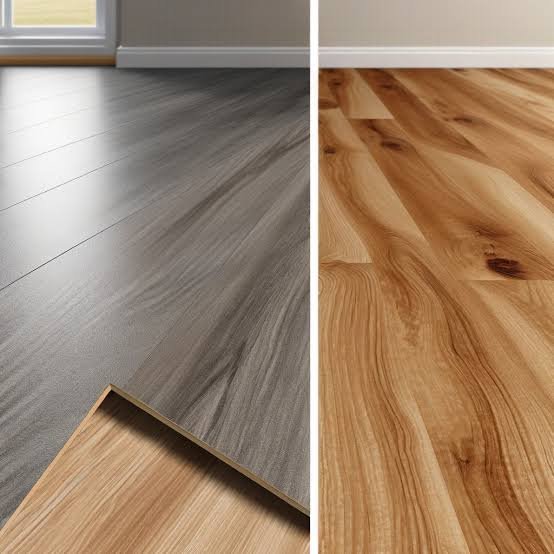
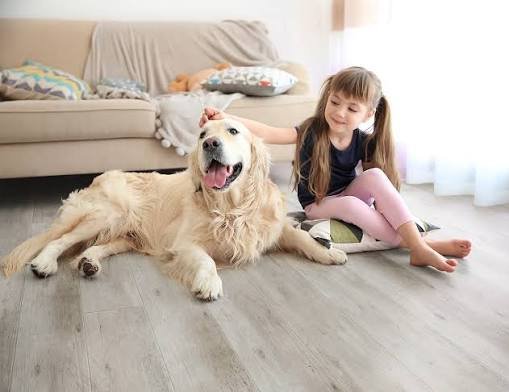
If you’ve ever come home to find claw marks across your new laminate or a mystery puddle soaking into your carpet, you already know why finding the best flooring for pets matters so much. It’s not just about looks anymore — it’s about survival. Between shedding, scratching, accidents, and the occasional zoomies session at 11 PM, your floor takes a beating most manufacturers never planned for.
I’ve helped a few friends pick flooring after they brought home a puppy or a rescue cat, and honestly, the “perfect” flooring on paper rarely matches what works in real life. This guide covers what genuinely holds up — not just what looks good in a showroom.
Why Regular Flooring Fails in Pet Homes
Best flooring for pets isn’t just a marketing phrase — it’s a real category with real requirements. Regular flooring is built for foot traffic, not claws, accidents, and constant moisture.
Dog nails act like tiny chisels on soft surfaces. Cat urine, if it seeps into grout or wood seams, can be almost impossible to fully remove. And shedding fur? It finds every crack and rough texture there is.
A few common failure points:
- Soft woods scratch within months of getting a puppy
- Grout lines trap odor and bacteria over time
- Glossy tiles turn into ice rinks for older dogs with joint issues
- Carpet fibers hold onto pet dander long after cleaning
Vinyl Flooring: Often the Smartest Choice
Best flooring for pets discussions almost always circle back to vinyl, and there’s a good reason for that. Luxury vinyl plank (LVP) is waterproof, scratch-resistant, and forgiving on paws and joints alike.
Quick answer: Vinyl plank flooring is widely considered the best flooring for pets because it’s 100% waterproof, resists scratches, and costs far less than hardwood — typically ₹120–₹350 per sq. ft. in India as of 2026.
I’ll admit I was skeptical about vinyl a few years back — it used to look cheap and plasticky. That’s changed a lot. Modern LVP mimics wood grain convincingly, and some brands even offer textured, matte finishes that hide scratches better than polished tile does.
Things I’d tell anyone shopping for vinyl:
- Go for at least 20 mil wear layer if you have large dogs
- Click-lock installation is easier to repair in sections if damaged
- Matte finishes hide scratches far better than glossy ones
Tile Flooring: Durable, But Not Without Trade-offs
Tile is tough, no doubt. Ceramic and porcelain resist scratches almost entirely, and cleaning up accidents is quick — just wipe and go.
But here’s my honest take: tile isn’t always pet-friendly in practice. It’s cold, hard, and slippery, especially glazed tile. For older dogs with hip issues or arthritis, this can genuinely make daily life harder. I’ve seen a Labrador struggle just walking across a polished marble hallway.
If you do go with tile:
- Choose matte or textured porcelain over glossy finishes
- Use rugs with rubber backing in high-traffic zones
- Seal grout lines every 12–18 months to prevent odor buildup
Laminate Flooring: Budget-Friendly But Risky
Laminate looks like wood without the wood price tag, which makes it tempting. The problem is the top layer — while scratch-resistant to an extent, it’s not waterproof at the seams.
Picture this: a small business owner in Jaipur installs laminate in his home office, where his golden retriever naps most afternoons. Six months in, water from a spilled bowl seeps into a seam near the door, and the boards start swelling. That’s a fairly common story, honestly.
If budget is the deciding factor, look for laminate rated AC4 or higher with a tight click-lock seam system, and keep water bowls on trays.
Hardwood Flooring: Beautiful, But High Maintenance
Hardwood has undeniable charm — nothing quite matches that warm, natural look. But is it the best flooring for pets? Not really, unless you’re extremely careful.
Softer woods like pine dent easily. Even harder woods like oak can show scratches over a few years with an active dog. If hardwood is non-negotiable for you:
- Choose a hardness rating of at least 1,290 on the Janka scale (oak, hickory, maple)
- Apply a matte or satin polyurethane finish, which hides scuffs better than glossy
- Trim your dog’s nails every 3–4 weeks — this alone reduces scratching significantly
Engineered Wood: A Middle Ground Worth Considering
Engineered wood gives you a real wood veneer over a stable plywood core, which makes it less prone to warping from humidity or the odd accident compared to solid hardwood.
Quick answer: Engineered wood flooring works well for pet owners who want a wood look with better moisture resistance than solid hardwood, though it still needs prompt cleanup of spills and accidents.
It won’t survive standing water the way vinyl does, but for households with one calm, older dog rather than a hyperactive puppy, it’s a reasonable compromise. [link to related guide on engineered wood vs solid hardwood here]
Cork and Rubber Flooring: Underrated Options
Cork doesn’t get talked about enough in pet flooring guides. It’s naturally antimicrobial, soft underfoot, and has a bit of give that’s genuinely kinder on aging joints — both yours and your dog’s.
Rubber flooring, more common in gyms, is gaining traction in Indian homes with large dog breeds. It’s nearly indestructible and easy to hose down, though the aesthetic isn’t for everyone — it can look a little industrial in a living room.
- Cork: warm, quiet, decent scratch resistance, but needs periodic resealing
- Rubber: extremely durable, water-resistant, but limited design options
Carpet: Generally Best Avoided
I’ll be blunt — carpet and pets rarely mix well long-term. It traps odor, stains permanently in some cases, and holds onto allergens and shedding fur no matter how often you vacuum. [link to related guide on pet-friendly home cleaning tips here]
If you love the softness of carpet, consider limiting it to low-traffic rooms your pets don’t frequent much, like a guest bedroom.
Choosing Based on Your Pet’s Size and Habits
Not every pet needs the same flooring. A senior cat that mostly naps causes very different wear than a young Labrador that sprints indoors.
Some quick guidance:
- Small, calm pets (older cats, small breed dogs) — laminate or engineered wood can work fine
- Active, medium-large dogs — vinyl plank or rubber flooring holds up best
- Multiple pets or frequent accidents — waterproof vinyl is nearly always the safer bet
- Senior pets with joint issues — avoid glossy tile; go matte vinyl or cork instead
[link to related guide on pet-proofing your home here]
FAQ: Common Questions About Pet-Friendly Flooring
Is vinyl flooring really safe for pets? Yes, most vinyl flooring today is non-toxic and safe once fully cured after installation. Just air out the room for a day or two after fitting, since it can have a mild odor initially.
What flooring is best for dog urine smell? Waterproof vinyl plank handles this best since urine sits on the surface instead of soaking in. Tile is a close second, provided the grout is sealed properly.
Does hardwood flooring scratch easily with dogs? It depends on the wood species and your dog’s nail length. Softer woods scratch fast; harder woods like oak or hickory hold up better, especially with regular nail trims.
Is laminate flooring good for homes with pets? It’s an okay budget option but not ideal if your pet has frequent accidents, since water can seep into the seams and cause swelling.
What’s the most affordable pet-friendly flooring in India? Vinyl plank generally offers the best balance of cost and durability, often ranging from ₹120 to ₹350 per square foot depending on quality and brand.
Can I install pet-friendly flooring myself? Click-lock vinyl and laminate are fairly DIY-friendly. Tile and hardwood usually need a professional installer for a lasting finish.
Final Thoughts
Choosing the best flooring for pets really comes down to knowing your specific animal — its size, energy level, and habits — rather than chasing the flashiest showroom option. Vinyl plank tends to win for most households thanks to its water resistance and scratch tolerance, but cork, rubber, and engineered wood all have their place depending on your budget and style.
Before you commit to a full home renovation, it might be worth ordering a few samples and literally letting your dog or cat walk over them for a week. You’ll learn more from that than any spec sheet. What’s worked for your home so far?